

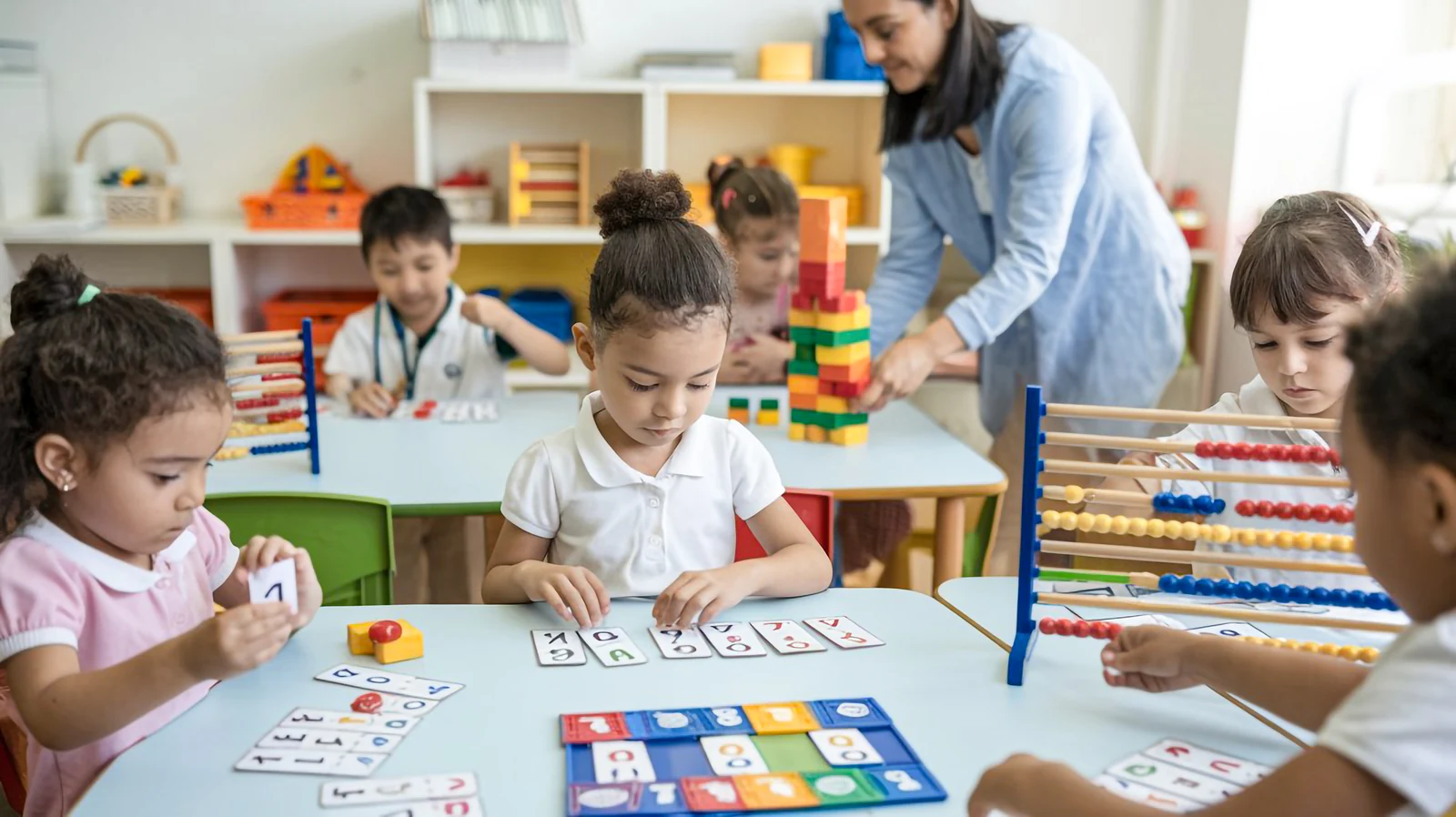
Children learn a lot through play, even when they are simply running around, pretending, building, or playing a game with friends. These activities help them remember rules, wait for their turn, control their reactions, solve little problems, and adjust when things change. In this blog, we will look at how play helps children build executive function skills and the different types of play that can support their development. Families looking for wider practical support can also explore SCP’s Parenting Resources.
Understanding Executive Function Skills
Executive functioning skills are higher-order cognitive skills that help children manage their thoughts, emotions, and behaviour. They help a child focus on a task, remember instructions, control impulses, solve problems, plan what to do next, make decisions, and adjust when something changes.
These skills develop gradually as children grow. A young child may find it difficult to wait for their turn or follow several instructions at once. With practice, they become better at handling these situations. Play gives children plenty of chances to practise without making the experience feel like a lesson.
Key Executive Function Skills Developed Through Play
Here’s a closer look at the executive function skills children can practise while playing:
1. Working Memory
Working memory helps children hold information in their minds and use it while doing something else.
Games such as Simon Says are a simple example. A child has to remember the instruction, pay attention to whether “Simon says” was used, and then decide how to respond. Building activities can work in a similar way when children remember what they are trying to create and which pieces they need.
2. Inhibitory Control (Self-Control)
Children do not always find it easy to stop themselves from doing something they want to do. Inhibitory control helps them pause, think, and control an immediate reaction.
Red Light-Green Light and Freeze give children plenty of practice. They may want to keep running or dancing, but they have to stop when the signal comes. Over several rounds, they practise listening, waiting, and controlling their movements.
3. Cognitive Flexibility
Cognitive flexibility is the ability to adjust your thinking when the situation changes.
Pretend play is particularly useful here. A child might start by pretending to be a doctor and then suddenly decide they are now the patient. The story changes, the roles change, and the child has to go along with it.
Games with changing rules can offer similar practice. Children learn that there is sometimes more than one way to approach a situation.
4. Planning and Organisation
Planning involves thinking about what needs to happen before reaching a goal.
Building with blocks is a good example. A child may first decide what they want to build, gather the pieces, and work out where each part should go. Board games can also involve planning because children have to think about their next move and what might happen afterwards.
5. Emotional Regulation
Play can bring excitement, frustration, disappointment, and even disagreements. Learning to handle these feelings is part of developing emotional regulation. Parents can also strengthen this development through active listening and supportive communication.
A child who loses a game may feel upset, but they also get an opportunity to calm down and try again. During pretend play or team games, children learn to manage excitement, negotiate with others, and deal with situations that do not go their way.
How Play Helps Children Develop Executive Function Skills
Play helps children develop executive function because it gives them repeated practice in situations they actually enjoy. In Simon Says, they remember instructions and decide when to act. In Freeze or Red Light-Green Light, they stop on cue and resist the urge to keep moving. Pretend play asks them to adapt when roles or rules change, while blocks and board games involve planning several steps. Since children are usually happy to repeat a game they enjoy, they get plenty of practice without feeling like they are completing an exercise.
Types of Play That Foster These Skills
Here’s a closer look at different types of play that can help build these skills:
1. Structured Games
Games with clear rules give children a chance to practise listening, waiting, remembering, and self-control.
Try:
- Freeze
- Huddle Up
- Musical Chairs
- Simon Says
- Red Light-Green Light
You can also change one rule occasionally and see how children respond.
2. Pretend Play
Pretend play gives children room to create situations, take on different roles, and respond to changes in the story.
Try role-play activities such as playing shopkeeper and customer, imagining different objects as something else, or creating a guard duty game where children have to watch for certain things and respond to instructions.
3. Building
Blocks, LEGO, magnetic tiles, puzzles, and similar activities encourage children to think ahead and solve problems.
Ask them what they want to build before they start. If something falls apart, let them think about what they could change rather than immediately fixing it for them.
4. Free Play
Unstructured free play gives children control over what they do and how they do it. They have to make choices, create their own games, negotiate with other children, and change plans when something does not work.
It does not need a complicated setup. A few toys and enough space can be plenty.
5. Sports and Movement
Movement games combine physical activity with attention and self-control.
Try Ball Toss, Limbo, Balloon Volleyball, or Keep the Balloon Up. Children have to watch what is happening, react at the right time, follow rules, and sometimes adjust their movements quickly.
6. Outdoor Play
Outdoor play gives children more freedom to explore and make decisions. Running games, obstacle courses, climbing, and playground activities can involve judging distance, remembering rules, managing risk, and deciding what to do next.
7. Storytelling
Ask children to create a story from a few pictures or continue a story you have started. They need to remember what has already happened and think about what could happen next.
8. Music and Dance
Music games ask children to listen carefully and respond to changes in rhythm or instructions. Dancing to a stop-and-go song, copying movements, or creating a short routine can all involve memory and self-control.
9. Art
Drawing, painting, colouring, cutting, clay work, and craft activities give children opportunities to make choices and work through a process. They may need to decide what to create, organise materials, follow steps, and adjust their idea if the result looks different from what they expected.
Closing Thoughts
Play gives children a natural way to practise skills they will use at home, in school, and later in everyday life. They learn to remember, wait, plan, adapt, and handle emotions while doing something they genuinely enjoy. You do not need expensive toys or complicated activities either. A simple game of Freeze, a block tower, a pretend shop, or a few minutes of outdoor play can give children meaningful practice with executive function skills.
Loading approved comments…